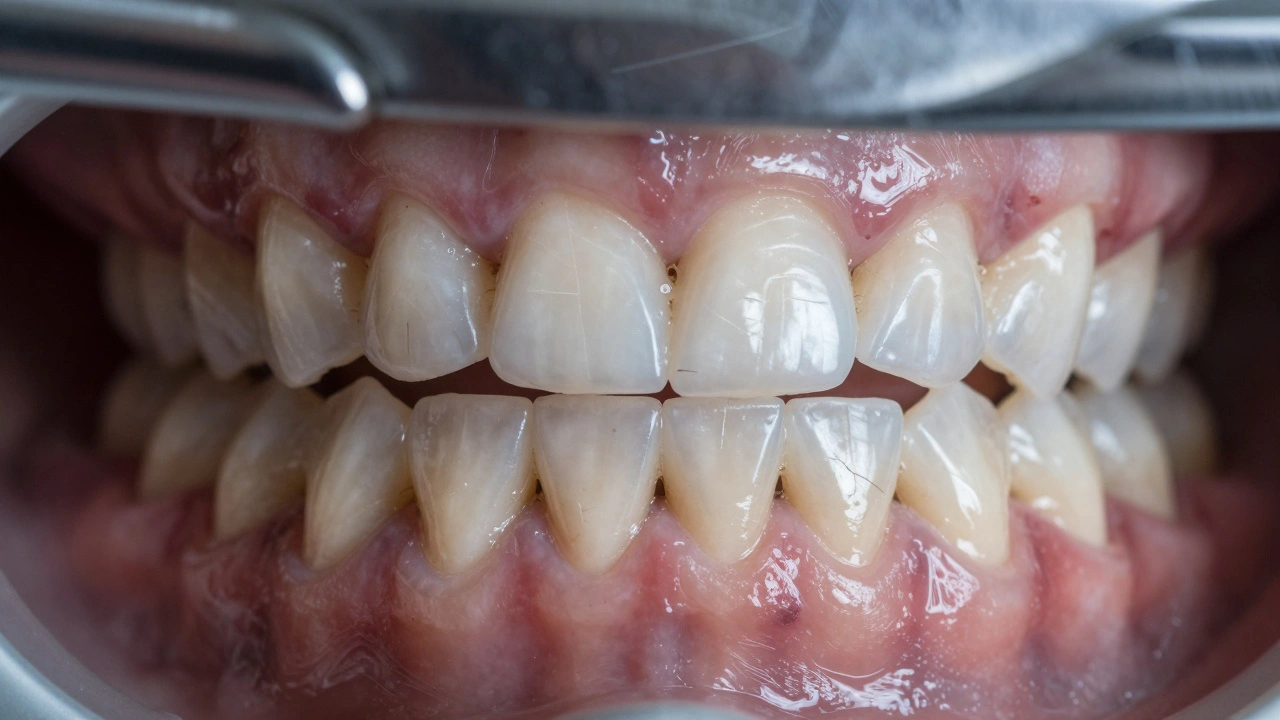
Vedlejší účinky zubních léčebných postupů: Co vás může překvapit
When you undergo dental treatment, you expect results—not surprises. But vedlejší účinky, nežádoucí reakce, které mohou vzniknout po léčbě zubů. Also known as nežádoucí účinky, they’re not rare, and they’re not always scary. Many people think side effects mean something went wrong, but often, they’re just part of the healing process. Whether you’re getting braces, a tooth implant, or a professional cleaning, your body reacts. Some reactions are mild and temporary. Others? They’re warning signs you shouldn’t ignore.
zubní implantát, umělá kořenová struktura, která nahrazuje chybějící zub. Also known as implantace, it’s one of the most effective solutions for missing teeth—but it’s also surgery. After placement, swelling, bruising, or minor pain for a few days is normal. But if you feel sharp, persistent pain after a week, or notice pus, that’s not normal. It’s a sign of infection. The same goes for rovnátka, zařízení, které pomáhá vyrovnat zuby. Also known as ortodoncie, they cause pressure, soreness, and sometimes mouth sores. That’s expected. But if your gums bleed constantly, or your speech becomes slurred weeks after fitting, you need to go back. And then there’s pískování zubů, mechanické čištění odstraňující kámen a pigmenty. Also known as zubní pískování, it leaves teeth feeling smooth—but if your teeth become overly sensitive for more than a few days, your enamel might be too thin. And bělení zubů, proces, který osvětluje barvu zubů. Also known as vybílení zubů, it’s popular, but overuse can wear down enamel and cause irreversible sensitivity.
What you see in these posts isn’t just a list of problems. It’s a map of what to watch for. You’ll learn why black tartar isn’t just ugly—it’s a sign of deeper issues. Why pain after wisdom tooth removal shouldn’t last longer than four days. Why using charcoal to whiten teeth is like sanding your teeth with gravel. And why that tingling after a professional cleaning might mean your gums are already inflamed. These aren’t scary stories. They’re practical alerts. Each post gives you real signs to look for, real steps to take, and real questions to ask your dentist before you say yes to any treatment.
You don’t have to suffer through side effects in silence. You just need to know what’s normal—and what’s not. Below, you’ll find clear, no-fluff guides on what to expect, when to worry, and how to protect yourself. No jargon. No marketing. Just what actually happens—and what you can do about it.