Implantace zubů: Co potřebujete vědět o léčbě, nákladech a hojení
When you lose a tooth, it’s not just about the gap—it’s about how it affects your bite, your confidence, and even your jawbone. Implantace zubů, trvalé řešení pro ztracený zub, které nahrazuje kořen a korunu zubu pomocí titanového šroubu. Also known as zubní implantát, it integrates with your bone over time, creating a foundation that feels and functions like a natural tooth. Unlike dentures or bridges, implants don’t rely on neighboring teeth for support. They stand alone, protect your jawbone from shrinking, and let you eat, speak, and smile without hesitation.
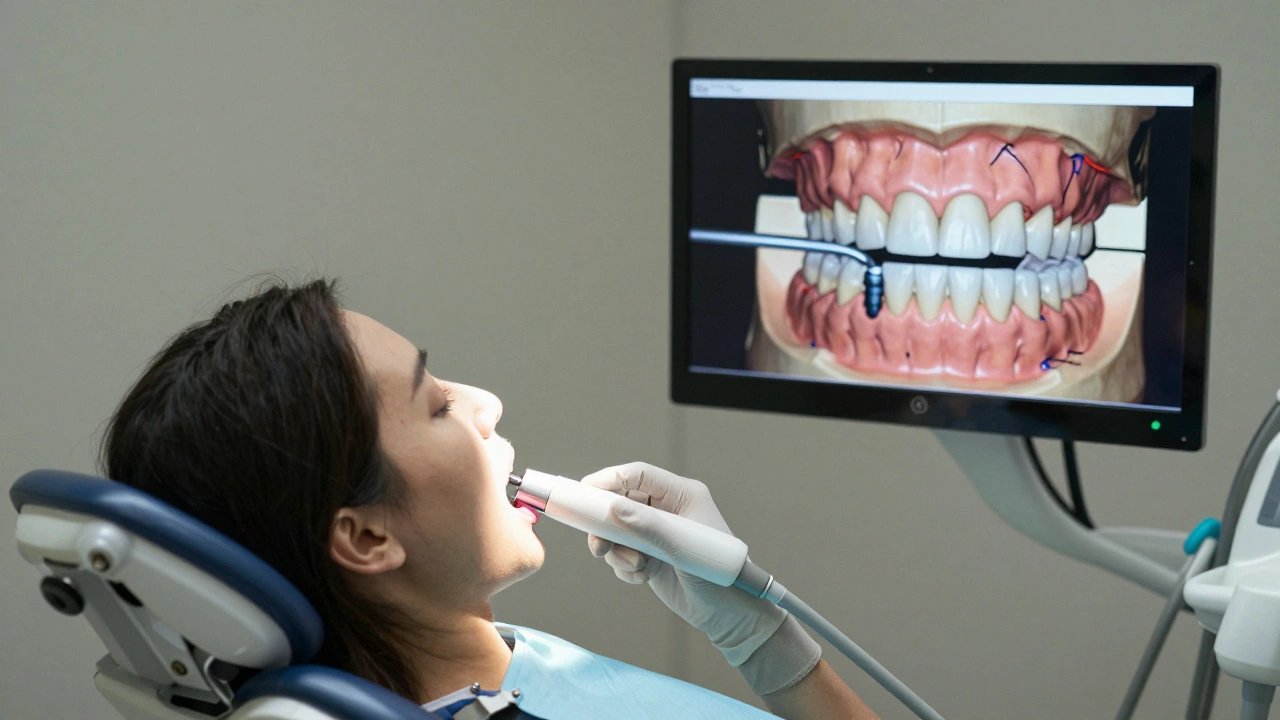
Many people think implants are only for older adults, but they’re actually a smart choice at any age—especially if you’ve lost a tooth due to injury, decay, or gum disease. The key is healthy bone and gums. If your jawbone has thinned out from missing teeth, a bone graft might be needed first. It’s not a dealbreaker—it’s just part of the plan. Your zubní lékař, specialista, který hodnotí vaši ústní dutinu a plánuje implantaci podle vašich potřeb will use 3D scans to check your bone density and map out the exact position. This isn’t guesswork—it’s precision medicine.
The process usually takes a few months. First, the implant is placed. Then, your body does the hard work: over 3 to 6 months, the bone grows around the implant in a process called osseointegration. Once it’s secure, a small connector—called an abutment—is attached, and finally, a custom crown is placed on top. Most patients report less discomfort than after a tooth extraction. You’ll get temporary teeth while healing, so you won’t be stuck with a gap. And unlike bridges, you don’t need to grind down healthy teeth to make room.
What about cost? Implants aren’t the cheapest option upfront, but they’re often the most cost-effective long-term. A bridge might need replacement every 10–15 years. An implant, with proper care, can last 25 years or more. Insurance rarely covers the full cost, but many clinics offer payment plans. Think of it as an investment in your ability to chew properly, avoid shifting teeth, and keep your face structure intact. A missing tooth doesn’t just disappear—it changes how your face looks over time.
And don’t forget aftercare. Brushing and flossing around implants matters just as much as with natural teeth. Plaque buildup can lead to peri-implantitis—a serious infection that can cause implant failure. Your hygienist will show you how to clean around the implant using special tools. Sonický kartáček, mezizubní kartáčky, and regular check-ups are non-negotiable. If you smoke, your risk of failure goes up. Cutting back or quitting is one of the best things you can do for your implant’s longevity.
What you’ll find in the posts below isn’t just theory—it’s real experiences, common mistakes, and practical advice from people who’ve been through it. You’ll learn what to expect during healing, how to spot early signs of trouble, why some implants fail, and what alternatives exist if implants aren’t right for you. Whether you’re just curious or already scheduled for a consultation, this collection gives you the facts without the fluff.