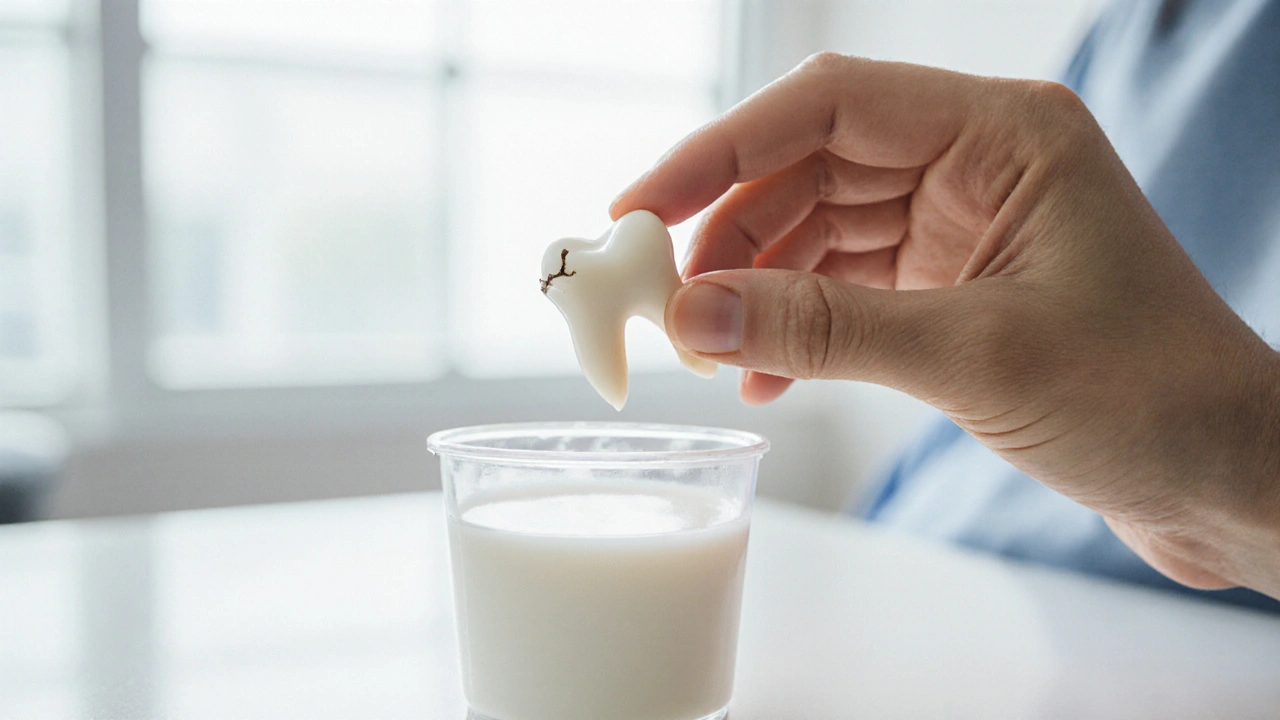
Ulomený kousek zubu: Co dělat, když se zub rozbil a jak to předcházet
When you break off a piece of your tooth, it’s not just a cosmetic issue—it’s a ulomený kousek zubu, fyzické poškození zubní struktury, které může vést k bolesti, infekci a dalšímu poškození. Also known as zubní zranění, it can happen from biting something hard, getting hit in the face, or even from long-term wear caused by zubní kámen, tvrdý nános bakterií, který oslabuje zub a zvyšuje riziko prasknutí. This isn’t something you can ignore, even if it doesn’t hurt right away.
Many people think a small chip doesn’t matter, but that tiny crack can let bacteria in. Once they get under the enamel, they start eating away at the inner layers. That’s how a small chip turns into a root canal or worse. If you’ve got a bílá výplň, kompozitní náplň, která je často používána k opravě drobných poškození that’s chipped, it’s even more vulnerable. The material doesn’t bond the same way natural enamel does, and it can break easier. And if you’ve had a celokeramická korunka, keramická krytina, která chrání poškozený zub, ale může také prasknout pod tlakem—you know how brittle ceramic can be. A fall, a hard bite, or even grinding your teeth at night can do the damage.
What should you do right after it happens? Rinse your mouth with warm water. Save the broken piece if you can—it might help your dentist. Avoid chewing on that side. If it’s sensitive, use a sensitivity toothpaste. Don’t wait for the pain to get worse. Even if it feels fine now, the nerve might be irritated underneath. The sooner you get in, the more options you have. Sometimes it’s just a quick bonding fix. Other times, you’ll need a crown or even a veneer. And if the break exposed the nerve? That’s an emergency.
And here’s the thing: most broken teeth don’t come out of nowhere. They’re the result of years of neglect. Ulomený kousek zubu is often the final sign of deeper problems—like untreated cavities, worn-down enamel from grinding, or plaque buildup that’s been ignored. That’s why regular checkups matter. A dentist can spot weak spots before they crack. They can fix small chips before they become big problems. And they can help you prevent it next time with a night guard, better brushing habits, or even switching to a softer toothbrush.
You’ll find real stories here—from people who saved their tooth with a simple bonding, to those who needed full crowns after waiting too long. We’ll show you how to spot early warning signs, what to ask your dentist, and how to protect your teeth from the same fate. No fluff. Just what actually works.